Modern life moves very fast. Many people eat while working, scrolling on their phones, or rushing between tasks. Meals often become something we finish quickly instead of something we enjoy. Because of this busy lifestyle, many people are now turning toward slow living and slow eating. This movement encourages people to slow down and appreciate everyday moments, especially food. At the center of this idea is Pleasure on the plate, which reminds us that meals should bring satisfaction, comfort, and enjoyment instead of stress or hurry.
Slow eating does not require complicated cooking or expensive ingredients. It simply means paying attention to food, enjoying each bite, and making mealtime a relaxing part of the day. When people slow down while eating, they begin to notice flavors, textures, and the experience of sharing food with others.
Understanding the Slow Living Movement
The slow living movement focuses on living with intention and balance. Instead of always rushing, people try to create space for meaningful activities like cooking, spending time with family, and enjoying simple moments.
In recent years, lifestyle discussions and wellness content in a digital adult magazine have highlighted slow living as an important way to improve both physical and mental wellbeing. Many people are realizing that slowing down can actually make life feel richer and more enjoyable.
Slow living is not about doing everything slowly. It is about choosing what truly matters and giving it proper attention. Food is one of the most important parts of this idea because eating is something we do every day.
What Is Slow Eating
Slow eating is a simple concept. It means eating with awareness and enjoying the full experience of a meal. Instead of rushing through food, people take time to taste and appreciate what they are eating.
Some basic habits of slow eating include
• Chewing food properly
• Eating without distractions
• Taking time between bites
• Choosing fresh and natural ingredients
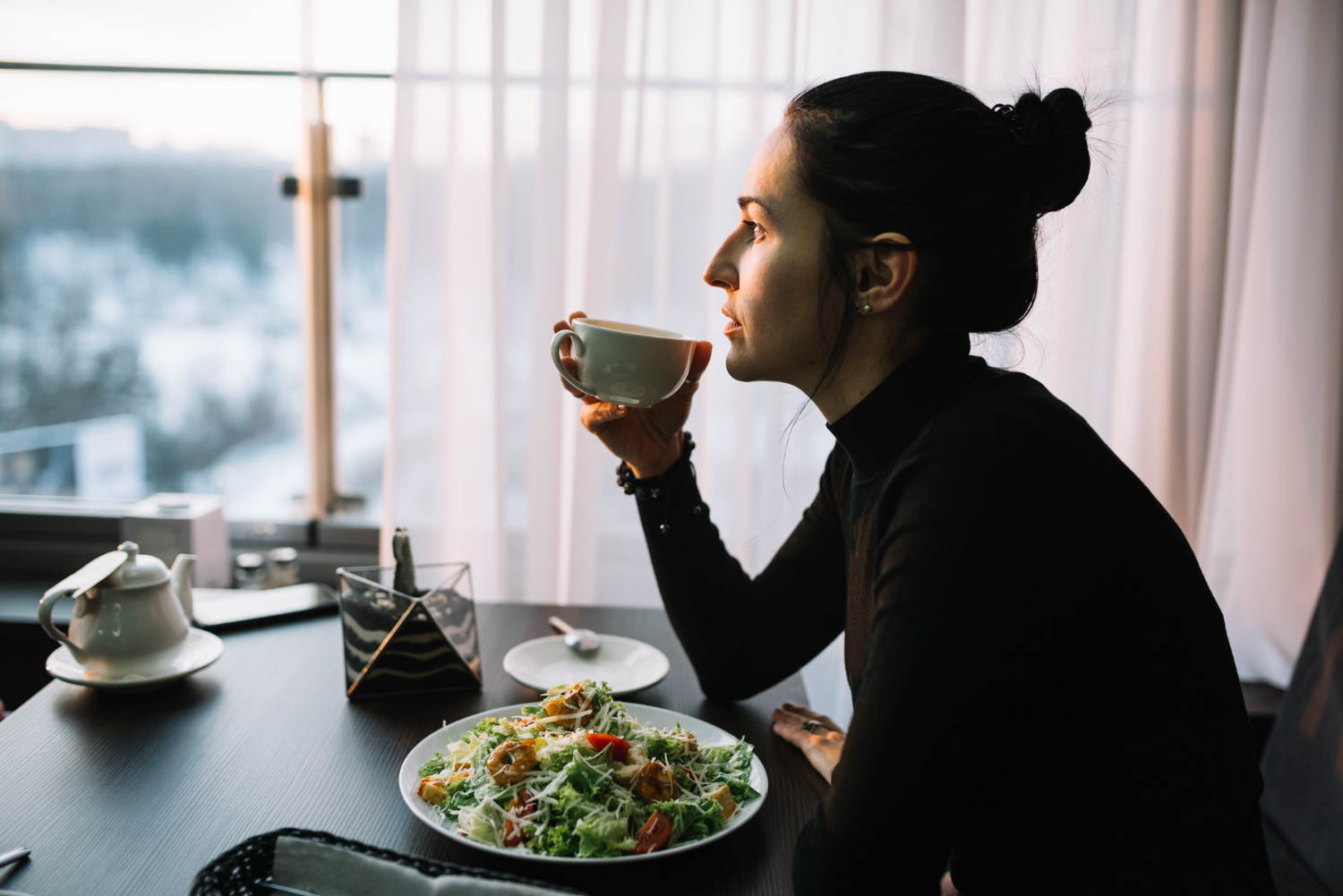
• Sitting down calmly for meals
These small habits can make a big difference in how people experience food. Even a simple meal can feel more satisfying when eaten slowly.
Why Slow Eating Is Becoming Popular Again
For many years, fast food and quick meals became common because people were busy with work and daily responsibilities. Eating quickly seemed convenient, but over time people began to feel disconnected from food.
Slow eating is becoming popular again because people want a healthier and more balanced lifestyle. Many are realizing that rushing through meals reduces enjoyment and may affect digestion and overall wellbeing.
Another reason for this shift is the growing interest in mindful living. People want to feel more present in their daily lives. Taking time to enjoy food is one of the easiest ways to practice mindfulness.
Health Benefits of Eating Slowly
Slow eating offers several health benefits that support both the body and the mind.
Better Digestion
When food is eaten slowly and chewed properly, the digestive system can work more efficiently. This allows the body to break down food more easily and absorb nutrients better.
Natural Portion Control
The brain needs time to recognize when the body feels full. When people eat too quickly, they may eat more than they need. Slow eating gives the brain time to send signals of satisfaction.
Reduced Stress
Meals can become a peaceful break in the middle of a busy day. Taking time to enjoy food helps reduce stress and improves mood.
Improved Food Awareness
Eating slowly encourages people to notice what they are eating. This awareness often leads to healthier food choices and better eating habits.
How Slow Eating Improves the Food Experience
Food becomes more enjoyable when we truly experience it. Slow eating allows people to notice small details such as taste, aroma, and texture.
For example, when eating slowly you may notice
• The natural sweetness of fresh vegetables
• The aroma of herbs and spices
• The crisp or soft texture of different foods
• The balance of flavors in a dish
These details often go unnoticed when meals are rushed. By slowing down, people rediscover the true enjoyment of eating.
Meals also become more social. Families and friends can talk, laugh, and connect while sharing food instead of finishing meals quickly and moving on.
Simple Tips to Practice Slow Eating
Adopting slow eating habits does not require big lifestyle changes. Small steps can make a noticeable difference.
Remove Distractions
Try to keep phones and screens away during meals. Focus on the food and the moment.
Take Smaller Bites
Smaller bites naturally slow down eating and allow you to enjoy flavors more clearly.
Sit Down for Meals
Eating while standing or walking often leads to rushing. Sitting at a table creates a calmer environment.
Cook at Home More Often
Preparing meals at home encourages people to appreciate ingredients and enjoy the cooking process.
Pay Attention to the Meal
Before eating, take a moment to notice the smell, color, and presentation of the food. This simple habit makes meals feel more special.
The Cultural Importance of Slow Eating
Many cultures have always valued slow meals. In countries around the Mediterranean, meals are often shared with family and enjoyed with conversation. In Japan, attention to food presentation and balance is an important part of dining.
These traditions remind us that food has always been more than just nutrition. It is also about culture, connection, and enjoyment.
Slow eating simply brings these traditional values back into modern life.
Conclusion
Slow living and slow eating offer a simple way to improve everyday life. By slowing down during meals, people can reconnect with food, enjoy flavors more deeply, and reduce daily stress.
Eating slowly supports better digestion, encourages healthier choices, and creates meaningful moments with family and friends. It also helps people appreciate the effort behind cooking and the quality of ingredients.
In a world where everything moves quickly, taking time to enjoy a meal can bring balance and calm to daily routines. When we slow down and focus on food, we rediscover the joy and comfort that come from true Pleasure on the plate.